


Wrongful Arrest for “Marijuana Trafficking” — CBD Cultivation for Research and Immediate Release After Lab Tests
Background: a disgruntled employee triggers a narcotics case
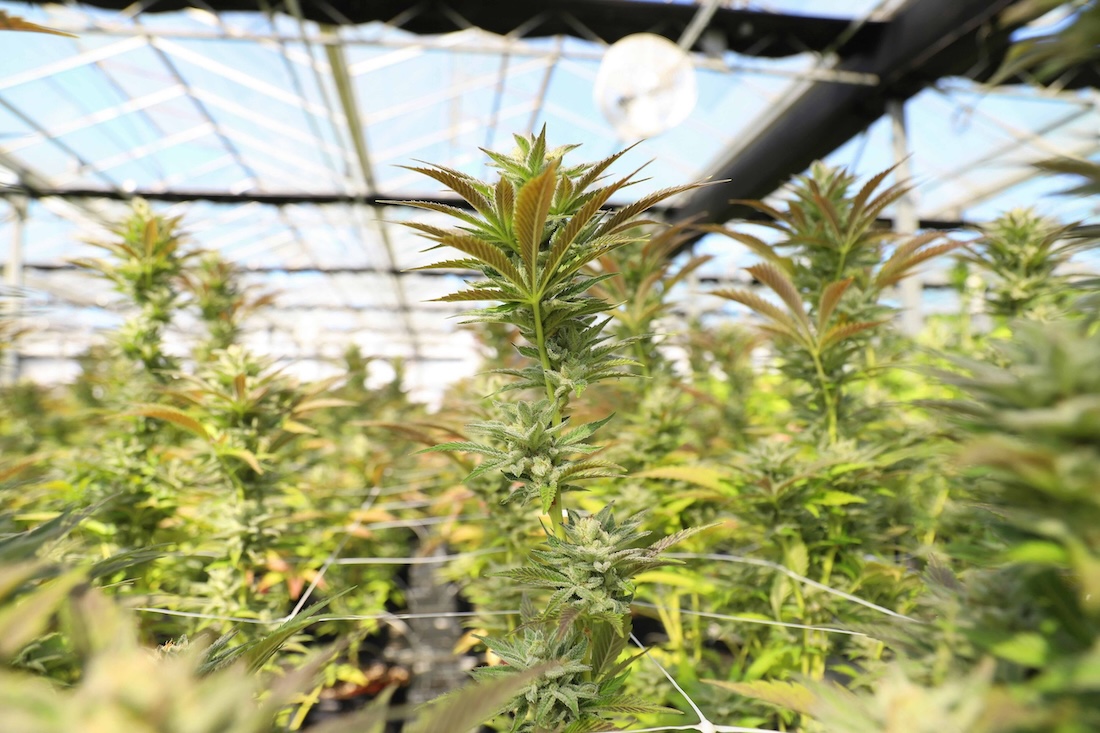
Our client, the owner of a countryside villa, was arrested after police searched the property and found 286 cannabis plants cultivated in a garden area. The operation was triggered by statements from the villa’s gardener, who alleged that the cultivation was intended for drug dealing. On that basis, the authorities initially treated the matter under Italy’s consolidated narcotics framework (D.P.R. 309/1990), where cultivation and “production/trafficking” conduct can fall within Article 73 when carried out without the required authorization.
In practice, when law enforcement is presented with a large number of plants and a “selling” narrative, the risk is that the case is framed immediately as trafficking, with arrests, seizures, and precautionary measures adopted before any scientific verification of the plants’ chemical profile. That dynamic has become even more sensitive in recent years, given the regulatory and enforcement attention around hemp/cannabis-derived products and THC thresholds.
From the first hours, we focused on restoring the case to objective facts. The gardener’s account was internally inconsistent and unsupported by any concrete indicators of a distribution operation. There were no typical “markers” of dealing—no packaging or dosing materials, no customer lists, no cash movements compatible with sales, and no organization suggesting commercial trafficking. The accusation, standing alone, could not replace proof—especially where the legal qualification turns on the actual nature of the plants and the existence (or absence) of psychoactive effect.
Our work: urgent scientific verification, legal reframing, and release
We treated the file as an emergency defense matter with two immediate priorities: (1) securing rapid laboratory testingon the seized plants, and (2) preventing the proceeding from crystallizing into a trafficking case based solely on a hostile witness statement.
On the technical side, we pushed for the fastest possible forensic analysis and ensured that the sampling and chain-of-custody path would be usable in court. This point is decisive in cannabis matters: the legal risk profile changes dramatically depending on whether the material has relevant THC levels and psychotropic capacity, or whether it falls within low-THC profiles associated with CBD-oriented cultivation. Italian practice around hemp has long revolved around low-THC thresholds (with “tolerance” concepts and administrative consequences in certain scenarios), making the chemical profile central to both liability and proportionality.
On the legal side, we reframed the case around two pillars. First, we challenged the “intent to deal” hypothesis, emphasizing that—even where cultivation is disputed—trafficking intent cannot be presumed without objective elements. Second, we documented the legitimate context: the plants were cultivated for pharmacological researchfocused on CBD, not for recreational narcotics distribution, and the activity was structured as a research pathway rather than a commercial drug operation. In an environment where authorities may act quickly and conservatively at the initial stage, credible documentation and scientific verification are often what prevents precautionary measures from becoming disproportionate.
Once the expert results confirmed that the plants were CBD-focused with non-relevant THC levels, the foundation for a narcotics-trafficking approach collapsed. The prosecution’s initial theory—built essentially on the gardener’s statements—could not survive objective scientific verification. As a consequence, the restrictive measures against our client were lifted and he was released, with the case redirected away from a “drug dealing” narrative and toward the evidentiary reality of the cultivation.
Confidentiality note: identifying details have been omitted/modified. Outcomes depend on individual circumstances and authority assessment.