

Working in Italy as a Cook Without Click Day: How We Brought a Future Chinese Chef to Italy to Train and Work Legally Without Waiting for Decreto Flussi
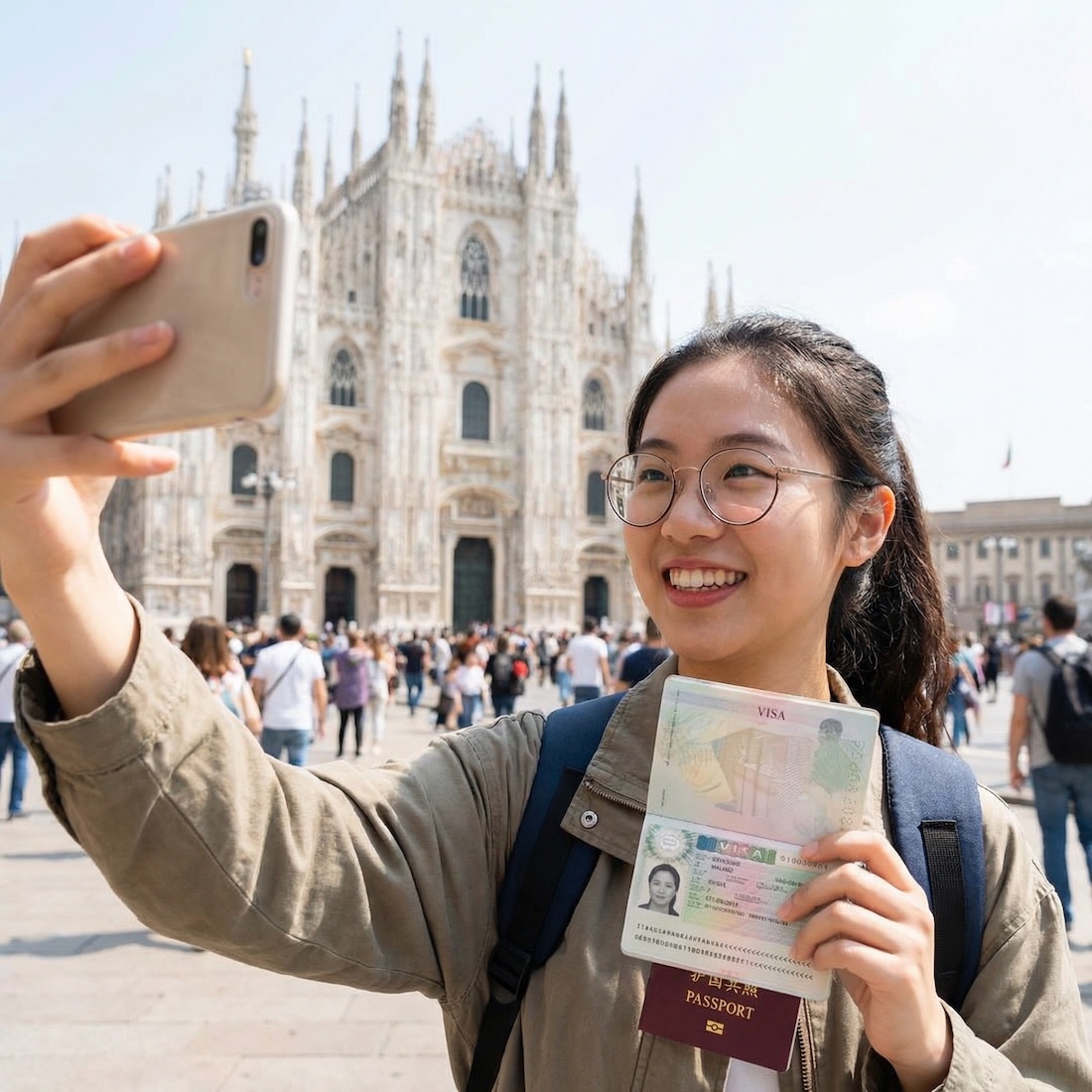
When Decreto Flussi Becomes a Bottleneck
Every year, the Decreto Flussi system opens a very narrow window for non-EU nationals to enter Italy as employees: limited quotas, compressed timelines, and a procedure where speed and administrative timing often matter more than actual professional suitability.
In high-turnover sectors such as restaurants and hospitality, this mechanism creates a structural mismatch: employers hire when they need staff, while “click day” arrives when it arrives—and the number of slots made available by the government is limited. For many applicants, the result is a long and uncertain wait abroad, with no guarantee of obtaining a quota even when a genuine job opportunity exists.
Our client, a young Chinese national, had a clear goal: move to Italy quickly, build marketable professional skills in the food sector, and start working without losing a year waiting for the next decree.
The Alternative Route: an Authorized Vocational School, Lawful Student Work, and Status Conversion
We handled the matter as a complete project, not a single filing. Italian immigration rules allow entry for study where there is a genuine, coherent educational pathway, and they also allow international students to work lawfully within specific limits while maintaining full compliance with their residence status.
This architecture becomes a real pathway only if it is built properly: the right school, solid documentation, realistic timing, and clear consistency between training and the client’s professional objective.
A central part of our work was assisting with the choice of school. We did not limit ourselves to the visa application: we supported the client in identifying a culinary vocational school that was genuinely authorized and legally compliant, and—most importantly—matched her needs (curriculum content, duration, program structure, and employability in the market). In other words, we built a credible training project before building the file.
Once the pathway was defined, we structured the student-visa application coherently with the client’s profile and her career objective in the hospitality sector. After entry into Italy, we managed the most delicate phase: keeping every step fully aligned with the rules. Enrollment and attendance remained central, and any employment activity was handled with strict attention to contract terms, permitted working hours, and documentary consistency.
During the course year, the client began lawful part-time work at a restaurant, gaining real hands-on experience while building a solid track record: training in the same sector, genuine employment, and continuity. This was also decisive legally, because it made the later conversion not a “jump,” but the natural evolution of a documented pathway.
After the course ended and the employment relationship had become stable, we managed the final stage: conversion from a study permit to a subordinate employment permit. Conversions are possible, but they succeed when the story is linear and the documentation has no gaps or contradictions. We therefore structured the application and supporting documents to reflect what it truly was: a planned professional project, carried out in compliance with the rules and supported by real work experience.
The result was a secure pathway: rapid entry into Italy, lawful employment during training, and a subsequent transition to an employment-based status—without making the client’s future dependent on the annual quota “lottery” of Decreto Flussi.
Confidentiality note: identifying details have been omitted/modified. Outcomes depend on individual circumstances and authority assessment.