


Cash Seized at the Italian Border — Managing a Currency-Declaration Proceeding
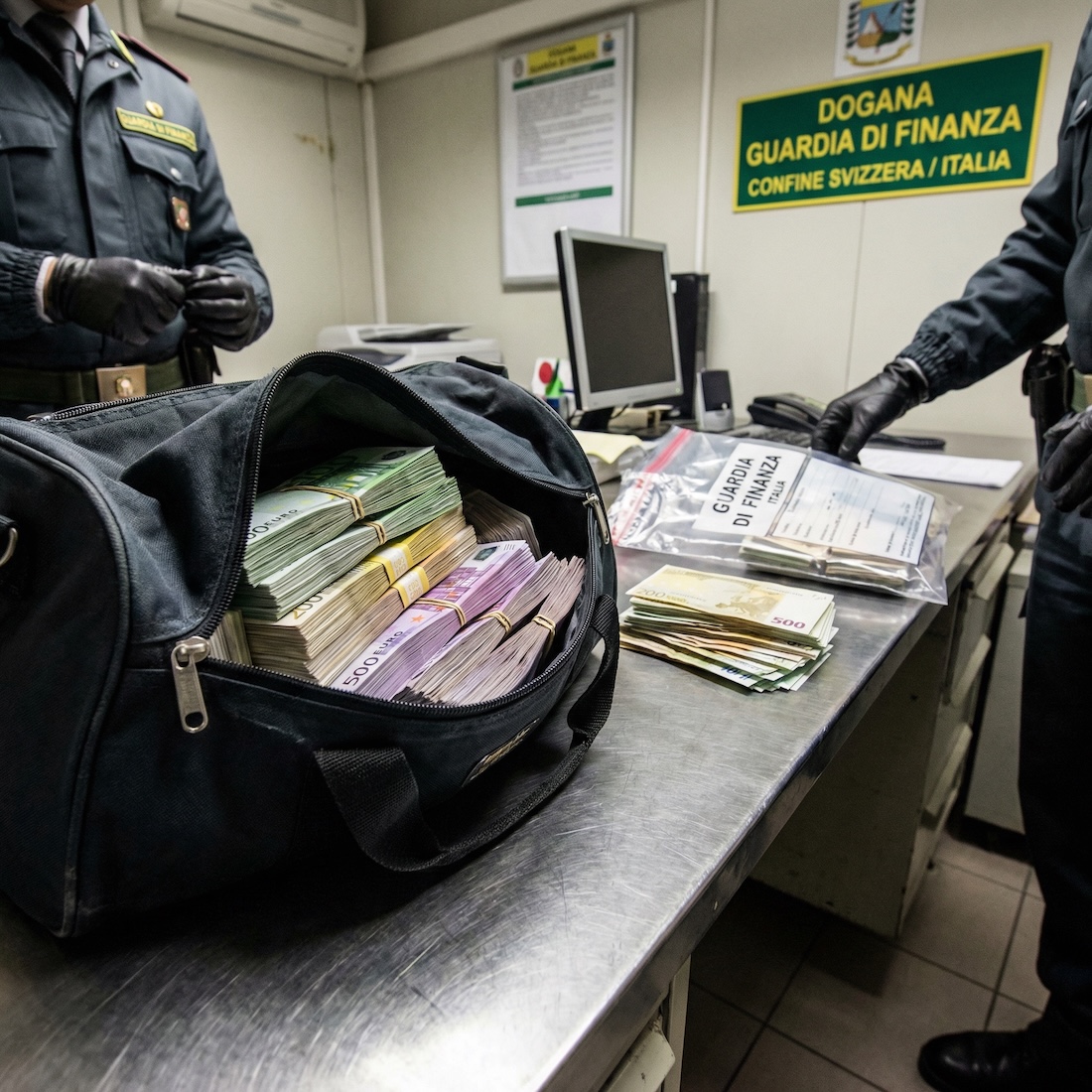
Background: an undeclared cash entry triggers seizure and an administrative file
Italy applies a cross-border cash-control regime that requires a customs declaration once a statutory threshold is exceeded. When the declaration is missing or incomplete, the matter is typically handled as an administrative proceeding (rather than a criminal case), coordinated by the Ministry of Economy and Finance, and the authorities may adopt an administrative seizure of cash as a precautionary measure while the sanctioning phase is pending.
In this case, our client—a Chinese national resident in Hong Kong—was stopped at the border during a customs inspection. The authorities opened a currency-declaration file and seized an amount corresponding to less than half of the total cash found in the luggage, pending the Treasury’s decision.
We intervened immediately on the administrative track and structured the defense around what usually makes the difference in these proceedings: documented legitimacy and procedural clarity. We reconstructed the origin of the funds (lawful personal resources), explained the intended lawful use in Italy, and supported the good-faith narrative with coherent documentation. We also highlighted a practical—but legally relevant—element: during the inspection, the client struggled to fully understand the questions and the nature of the procedure due to language barriers, an aspect that can matter when authorities assess cooperation, intent, and proportionality. Alongside the factual file, we framed targeted legal arguments aimed at keeping the case anchored to the least punitive outcome available under the applicable administrative framework, avoiding escalation based on assumptions rather than evidence.
Outcome: sanction quantified, and the excess released
The proceeding concluded with a Treasury sanction decree that quantified what was actually due. At that stage, the priority shifted from “defense on the merits” to execution and cash unfreezing: ensuring the administration retained onlythe portion corresponding to the sanction and released everything else without delay.
We filed a formal request for the return of the sums “seized in excess,” asking that the seized amount be applied only up to the sanctioned figure and that the remainder be reimbursed. In practice, seized values in these cases are routed through the Fondo Unico Giustizia, with operational handling by Equitalia Giustizia S.p.A., and reimbursement requires an express authorization step within the same administrative file—meaning that speed and precision in the request can directly affect how long funds remain immobilized.
Following our intervention, the authorities confirmed the release of the surplus and the client obtained reimbursement of an amount corresponding to approximately 40% of the seized cash—a concrete result that closed the case not only legally, but operationally: the sanction was contained and the “over-seized” portion was effectively recovered through the correct procedural route.
Confidentiality note: identifying details may be omitted or adapted for publication. This case study is for informational purposes and does not constitute legal advice.