


Unblocking Goods in Maritime Transhipment Held by Customs at an Italian Port — Emergency Handling, Compliance, and Release
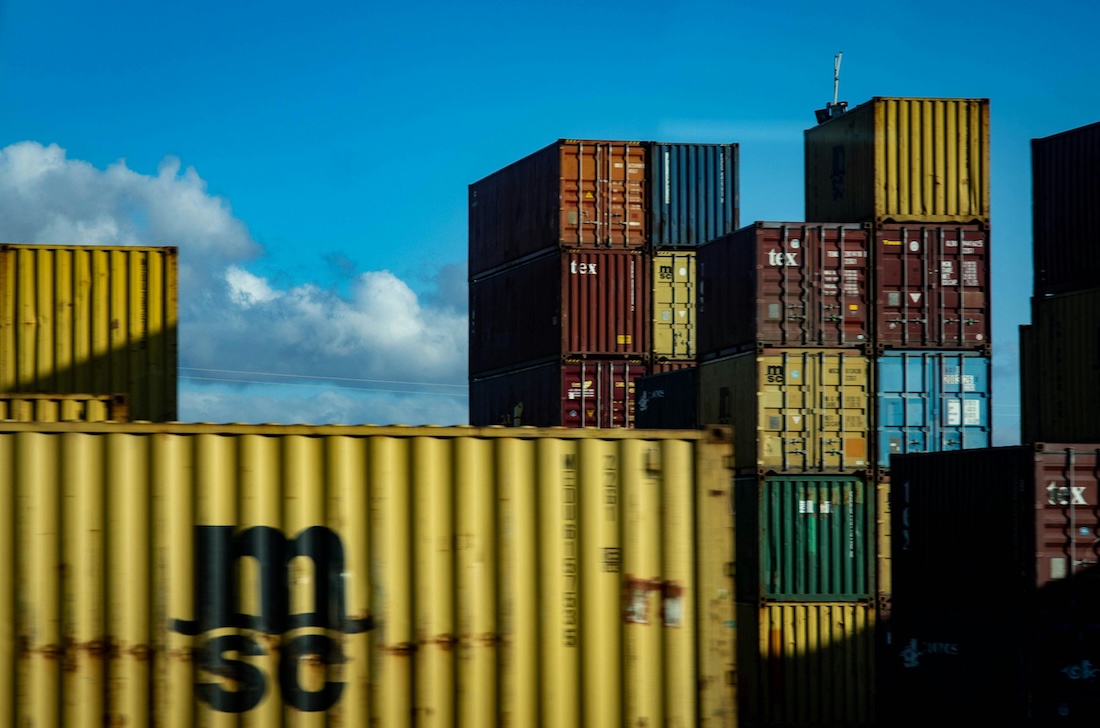
Context: transhipment container held in port and immediate demurrage risk
An international logistics operator was managing a maritime transhipment: a container originating from Asia was scheduled for a technical stop at an Italian port and then onward shipment to a non-EU destination. During checks, Customs held the cargo for further review, creating immediate operational consequences: potential missed loading on the next vessel, rapid accumulation of demurrage/detention costs, contractual pressure across the chain (shipper–forwarder–carrier), and risk of missing the delivery window.
The hold was triggered by a typical customs “red flag”: document inconsistencies and risk indicators (goods description, tariff classification, declared values, origin/provenance, and responsibility for the customs regime). In a transhipment scenario, the paradox is that the goods are not meant to “enter” the EU market, yet a port hold can still paralyze the supply chain and generate material losses within hours.
Our intervention: immediate reconstruction of the correct customs regime and technical engagement with the Customs Office
We handled the matter as an emergency release operation on two tracks: (i) securing the correct customs regime and (ii) making the position clear and “readable” for Customs, through fast, coherent documentation.
First, we reconstructed the documentary and contractual chain: bill of lading, manifest, shipping instructions, invoices and packing lists, certificates of origin (where applicable), forwarder mandate, and the identity/responsibility of the party who had submitted the formalities. We then verified the applicable regime (transhipment/transit, temporary storage where relevant, and the associated requirements) and identified where the critical point arose. In many cases, the issue is not the cargo itself but an unaligned description, an incorrect tariff heading, unclear final destination/consignee, or a discrepancy between the manifest and commercial documents.
In parallel, we opened a direct channel with port Customs to manage urgency in an orderly way. We filed a technical submission, clarified the transhipment structure and the absence of release for free circulation, proposed admissible integrations/corrections where needed, and—where requested—organized readiness for physical checks or sampling with the relevant technical parties present, to avoid adjournments and repetitive information loops.
Thanks to a fast, evidence-based response, Customs closed the review and authorized release, enabling re-loading on the next vessel and continuation to the final destination. The intervention contained the financial exposure (demurrage/detention) and reduced the risk of contractual disputes among the parties.
After release, we also delivered a preventive “port-ready” package: a transhipment documentation checklist, standardized goods descriptions, manifest/invoice/packing-list alignment rules, and internal protocols on who submits customs formalities and under which responsibilities—reducing the risk that a formal trigger could cause another operational freeze.
Confidentiality note: identifying details have been omitted/modified. Outcomes depend on individual circumstances and authority assessment.